




The Real Cost of “Free” E-commerce Tools for Independent Distributors

TLDR
- “Free” e-commerce platforms still have a cost — usually data ownership, venture dependence, or hidden strategic risk.
- Distributors risk losing control of their catalog, operator relationships, transaction history, and long-term flexibility.
- Venture-funded or subsidized platforms can change pricing, pivot, shut down, or misalign with distributor economics.
- A manufacturer-funded model creates stronger alignment because platform value is tied to measurable campaign ROI.
- The real question is not whether a platform is free — it’s who pays for it, why, and what they get in return.
Nothing Is Actually Free
The conversation every independent distributor is having right now goes something like this: “We need digital ordering. Let’s look at what’s out there. Oh, there’s a free option? That’s interesting. Let’s explore it.”
That’s the moment where most independent distributors go wrong. They hear “free” and assume the risk is minimal. They’re not paying monthly fees. They’re not locked into a contract. If it doesn’t work out, they haven’t lost anything.
This framing is dangerous and it’s wrong. There’s no such thing as a free platform. Platforms are capital-intensive to build and operate. Someone is paying for it. The question is who and how.
The answer determines whether you’re getting a tool that serves your business or a tool that extracts value from it.
The Three Ways “Free” Platforms Actually Get Paid
There are roughly three models for “free” e-commerce platforms in the foodservice space. Understanding which model you’re signing up for is critical.
The first is data ownership. The platform is free because they own your catalog, your operator data, your transaction history, and your customer relationships. They own your business information. They can use it to compete with you, sell insights to your competitors, or pivot to a different business model and leave you stranded without your own data.
This isn’t hypothetical. Distributors have gone through this. They’ve built their entire operator base on a platform that owns the data, then watched that platform get acquired by a competitor or pivot to a different industry. They had no copy of their customer list. They had no export of their transaction history. They effectively had to start over.
The second is venture funding. The platform is free because venture capital is funding the burn rate. Someone, somewhere, has written checks to subsidize your free access. This works until it doesn’t. Venture funding dries up. The platform tries to monetize, usually by charging either you or your operators. Or the startup gets acquired and shuts down. The free tier always ends.
The timeline varies. Some VCs fund platforms for five years before the music stops. Some fund for two years. But the pattern is consistent. The free period is a customer acquisition strategy. The monetization event is coming.
The third model is subsidy. A larger competitor is running the “free” platform to build scale or prevent you from using a competitor’s tool. Sysco’s investment in certain digital channels, for example, isn’t based on a sustainable business model. It’s based on competitive positioning. That’s fine for them. It’s dangerous for you if you’re dependent on it.
In all three cases, the real cost is hidden. It’s not a monthly fee. It’s data, financial risk, or structural dependence.
What You’re Actually Paying
Let’s talk specifically about what you’re giving up when you adopt a “free” platform.
Data ownership. Your catalog becomes their asset. Your operator information is on their servers under their terms of service. They can mine it, analyze it, use patterns from it to build competitive products, or share it with other users. You don’t control it. You don’t own it. You can’t take it with you if you leave.
This seems abstract until you actually need the data. You want to switch platforms. You ask for an export. They either won’t give it to you or the export is incomplete or corrupted. You’ve spent months building relationships in their system and you can’t port them. You’re stuck.
Operator lock-in. When your operators are on a “free” platform that doesn’t charge them, they have no friction in switching to a competitor if they want to. They’re not paying anything, so there’s no switching cost. If another distributor offers them the same platform, they can move their orders in minutes. Your operators aren’t loyal to you. They’re using a free tool and that tool could disappear tomorrow.
Strategic dependence. If the platform is venture-funded, you’re dependent on that funding stream continuing. If funding dries up, the platform shuts down or pivots. You’re now scrambling to migrate your business to a new system. If the platform is subsidized by a competitor, you’re dependent on that competitor continuing to fund it. The moment they don’t see competitive value, the funding ends.
Misaligned incentives. A “free” platform funded by venture capital isn’t trying to help you generate revenue. They’re trying to grow user numbers to justify the next funding round. They’re building features that increase engagement and retention, which might not align with what actually makes your business more profitable. They’re optimizing for growth metrics, not your unit economics.
Cost of switching. Every month you spend on a platform that doesn’t align with your interests makes it harder to leave. You’ve trained your team. Your operators are using it. Your manufacturers have connected to it. Switching later is exponentially more expensive than choosing right initially.
The Cut+Dry Model: Manufacturer-Funded, Not Distributor-Paid
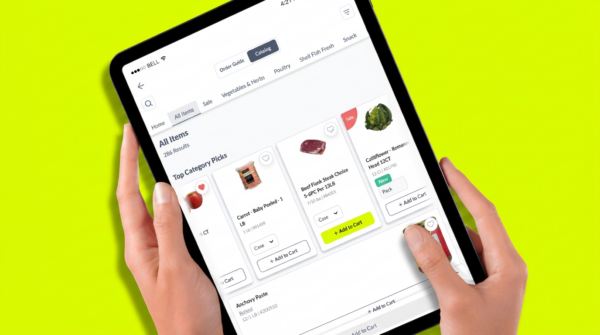
This is where a different model starts to matter. Cut+Dry’s platform is free to distributors for a fundamentally different reason: manufacturers fund it.
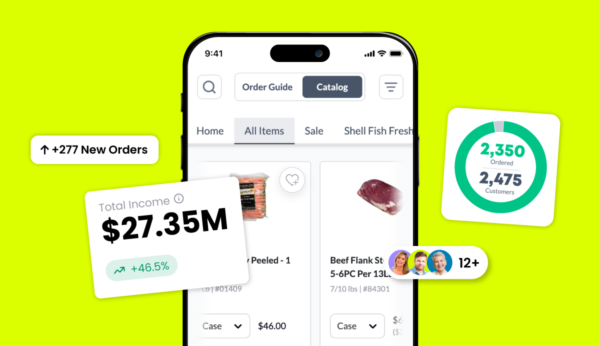
This creates aligned incentives. Manufacturers want their products reaching operators. They want campaigns running efficiently. They’re willing to pay for that access because they see ROI. We track 13.9x ROI on manufacturer-funded campaigns, which means manufacturers get approximately $14 back for every $1 they invest. That ROI is real, measured, and repeatable.
Because manufacturers are funding platform development, the platform is built to serve manufacturer goals. Which means it’s built to serve distributor goals. The manufacturers want you succeeding. They want your operators healthy and ordering regularly. They want your catalog rich. They want your data organized. All of that makes their campaigns more effective.
This is structurally different from a venture-funded model or a data-ownership model. Nobody is trying to extract value from you. Nobody is trying to own your customer list. Nobody is dependent on outside funding that could evaporate. The platform exists because manufacturers see value and will continue to fund it as long as they’re seeing ROI.
Data ownership is yours. Your catalog stays yours. Your operator relationships stay yours. You can export everything at any time. We’re not trying to lock you in because we don’t need to. The value the platform creates is large enough that you’d be foolish to leave, not because you can’t.
Pricing is transparent. Manufacturers pay for their campaigns through the platform. Distributors don’t pay. Operators don’t pay. It’s funded by the economic value that manufacturers are willing to spend to reach operators at scale.
This model has existed in other industries. It’s the Instacart Ads model, scaled to foodservice. It’s the Carrot Ads model for groceries. It’s the Amazon Advertising model for e-commerce. Platforms that are funded by merchants who want access to buyers are incredibly durable because the funding is tied to performance, not to investor sentiment.
When your platform is funded by the value it generates, rather than by venture capital or by selling your data, the alignment with your success is complete.
Why This Matters for Your Business Decisions
The platform you choose today will affect your business for years. If you choose a “free” tool that’s venture-funded, you’re getting a free ride until the funding stops. Then you’re scrambling. If you choose a platform that owns your data, you’re giving up strategic control of your customer relationships.
Neither is a good long-term strategy. You’re optimizing for short-term cost savings instead of long-term business health.
The question to ask any potential platform is simple: “Who is paying for this and why?” If the answer is “distributors pay nothing, it’s venture-funded,” that’s a red flag. If the answer is “we own your data and use it to build other products,” that’s a red flag. If the answer is “manufacturers fund it because they see ROI,” that’s aligned.
This isn’t theoretical. The 220 distributors on Cut+Dry have made this choice. They looked at free alternatives and paid alternatives and manufacturer-funded alternatives. They chose the one where incentives were aligned, where they owned their data, where the funding source was sustainable.
McCormick does $100 million in annual sales through distributor partners on the platform. That’s not happening on a venture-funded free tool. That’s not happening on a data-ownership model. That’s happening on a platform where the manufacturer sees clear ROI and is willing to invest in scaling that ROI.
The True Cost of Getting It Wrong
If you choose a platform based on monthly fee instead of on incentive alignment, the cost will be real.
You’ll spend six months building your operator base on a platform. You’ll get your team trained. You’ll start seeing traction. Then the platform pivots or shuts down or gets acquired. You’re starting over on a new platform, rebuilding operator relationships, retraining your team, re-entering your catalog data.
That’s not free. That’s $200,000-$400,000 in lost time and rework. That’s operators who’ve moved to competitors and aren’t coming back. That’s months of lost momentum.
Or you’ll discover that the platform owns your data and won’t let you leave cleanly. You’re stuck on a platform that’s not serving your business because the switching cost is too high.
Or you’ll realize too late that the “free” platform’s incentives were never aligned with yours. They were optimizing for their growth metrics, not your revenue. You’ve lost months of opportunity.
The question isn’t whether a platform will cost you something. All platforms cost something. The question is whether that cost is explicit and transparent, or whether it’s hidden in data ownership, strategic dependence, or misaligned incentives.
If you’re evaluating digital ordering and want to understand the differences between how platforms are funded and what that means for your business, we’d be happy to share what we’re seeing across 220 distributors.