




The Case for Funding Promotions Through the Distributor Channel, Not Around It
TLDR
- Direct-to-operator promotions can drive trial, but they weaken the distributor relationship.
- Distributor-channel promotions align all three parties: manufacturers, distributors, and operators.
- When incentives run through the distributor, operators consolidate more ordering through that channel.
- Distributor-funded campaigns create measurable results and repeatable learnings for future promotions.
- The strongest foodservice growth strategies fund through distributor relationships, not around them.
The Wrong Way to Fund a Promotion
A manufacturer launches a new product line and decides to accelerate adoption in foodservice. They allocate $500,000 for a trial incentive program. The logic seems sound: let’s put coupons directly in front of operators and bypass the distributor to move more volume faster.
They design attractive coupon offers. They create direct digital touchpoints with operators. They run paid ads targeting restaurants and hotels. They put the coupons in front of people who can actually make purchase decisions. Volume moves. The product gets trial.
It looks like success until you think about the next order.
The operator tried the product because of the coupon incentive. They liked it. But now they have a choice: do they order through their usual distributor, or do they look for alternative channels that might offer better pricing or more promotional support? Do they see the distributor as their primary supplier, or as one option among many?
And from the distributor’s perspective: a major manufacturer just went around me to reach my customer. They subsidized a trial that made it easier for my customer to consider competitors who also bypass me. They’ve created doubt about whether they’re committed to my business or whether they view me as an obstacle to their customer acquisition strategy.
That doubt doesn’t disappear when the promotion ends.
“Promotions that bypass the distributor don’t strengthen the three-sided marketplace. They fracture it.”
The Economics of Distributor-Channel Promotions
When a manufacturer funds a promotion through the distributor instead of around them, the economics look completely different.
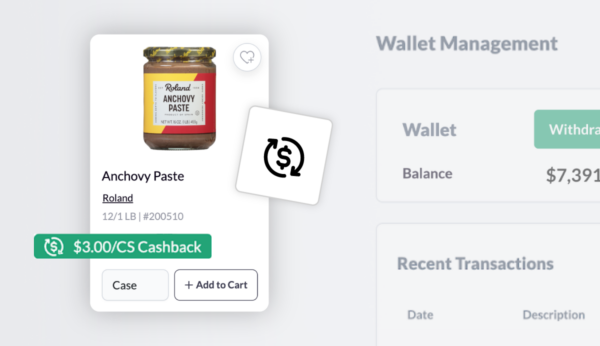
A manufacturer allocates the same $500,000. Instead of direct-to-operator coupons, they fund a cashback program that runs through the distributor’s ordering system. Operators participate by placing orders through their distributor. They earn cashback on those orders. The distributor sees increased order volume. The manufacturer sees SKU velocity on the products they’re promoting.
From the operator’s perspective: my distributor is helping me access better pricing and incentives on products I want to try. My distributor is being more helpful to my business. I’m more likely to consolidate my ordering through them, not less.
From the distributor’s perspective: the manufacturer just made me more valuable to my customers. They funded a program that strengthens my operator relationships, not one that bypasses them. They’ve positioned me as their partner, not an intermediary they’re trying to work around.
From the manufacturer’s perspective: the program moved volume and did it through the channels that actually exist in foodservice. I’ve strengthened my distributor relationships in the process, which means I’ll be able to run future campaigns more effectively.
The $500,000 gets multiplied because all three parties benefit. The operator gets incentives. The distributor captures volume. The manufacturer gets adoption and loyalty. That’s not three competing interests. That’s three aligned ones.
Why Direct-to-Operator Models Eventually Fail
The problem with direct-to-operator promotional models is that they assume operators have a direct relationship with the manufacturer. In reality, foodservice operators have direct relationships with their distributors, not with manufacturers. The distributor is who they call when they need product. The distributor is who delivers. The distributor is who they negotiate with on pricing and terms.
A manufacturer can run direct-to-operator promotions all day, but the actual transaction still flows through the distributor. The operator orders through the distributor, not the manufacturer. The inventory sits with the distributor, not the manufacturer. The logistics are handled by the distributor, not the manufacturer.
By running promotions that bypass the distributor, the manufacturer is essentially penalizing the distributor for doing the actual work. The distributor is handling the logistics, maintaining the relationship, providing the infrastructure, and the manufacturer is rewarding the operator for taking advantage of a promotion that didn’t go through that distributor.
This creates perverse incentives. Distributors have less reason to push products when they’re incentivized directly to operators. Operators have less reason to trust distributor recommendations if the manufacturer is going to subsidize trial directly. Manufacturers have less reason to invest in distributor relationships when they can just reach operators directly.
Over time, direct-to-operator models destabilize the distributor relationships that are foundational to foodservice. The manufacturers who run too many direct campaigns find that distributors are less willing to carry their products, less willing to push them, less willing to invest in building relationships with operators around their brands.
The three-sided marketplace works when all three sides are strengthened. It breaks when one side is bypassed.
What Distributor-Funded Promotions Actually Look Like
The most effective foodservice manufacturer campaigns aren’t direct-to-operator promos. They’re campaigns that the distributor is actively invested in running.
A manufacturer identifies an opportunity: premium products that are underperforming in a specific geography. They reach out to the distributor who serves that market. They propose a co-funded campaign: the manufacturer puts $100,000 in marketing budget, the distributor commits to supporting the program with their sales team.
The program runs through the distributor’s ordering infrastructure. Sales reps talk to operators about the program. The ordering platform highlights the products. Operators who participate earn cashback. The campaign runs for thirty days.
At the end, the results are measurable. Which distributors executed well? Which operator segments responded best? Which products drove the most adoption? The manufacturer has data to show what worked. The distributor has new operator relationships strengthened by the program.
The next campaign is even better because both parties have learned what works. The manufacturer can point to the previous success and say “let’s run this again in another geography.” The distributor can say “our operators loved this program, let’s do more of it.”
This is what repeatable, sustainable growth looks like in foodservice. Not one-off manufacturer campaigns that bypass the distributor. Ongoing partnerships where the distributor is invested in the manufacturer’s success because the campaigns strengthen their own operator relationships.
The Competitive Implication
The manufacturers winning in independent foodservice channels are the ones who’ve committed to funding through the distributor relationship, not around it. McCormick’s $100 million in annual sales through independents doesn’t come from direct-to-operator coupons. It comes from campaigns that the independents are invested in running.
The manufacturers who try to grow in independent foodservice by bypassing the distributor eventually find that they’re left with logistics relationships, not partnership relationships. They can place orders through a distributor, but they can’t count on that distributor to push their products or invest in their growth.
Meanwhile, manufacturers who fund through the channel find that distributors become active partners in their growth strategy. Distributors pitch manufacturer-funded programs to operators because those programs make them more valuable. Operators participate because the distributor has made the program easy and attractive. Manufacturers see repeatable, predictable ROI on their investments.
This isn’t a moral question about fairness to distributors. It’s a strategic question about what actually works in foodservice. The model that works is the one where all three sides are strengthened, not one where one side is penalized in the name of speed to market.
The Question for Your Promotional Strategy
If you’re currently running a significant portion of your foodservice promotional spend through direct-to-operator channels or direct digital incentives, it’s worth asking why.
Is it faster? Yes, probably. Does it move initial trial volume? It might. Does it strengthen your position in the distributor relationships that are foundational to your foodservice business? Almost certainly not.
The manufacturers building sustainable, repeatable foodservice growth are the ones who’ve decided that their distribution relationships are as important as their customer relationships. They’re funding campaigns through those relationships, not around them. They’re investing in making their distributor partners more valuable, not in bypassing them.
That’s not conservative strategy. That’s pragmatic strategy. It’s the model that actually works at scale in foodservice, and it’s the model that the best manufacturers are executing right now.
If you’re currently allocating foodservice promotional budgets across direct and channel models and want to understand the opportunity cost of the direct spend, we can model out what it would look like to redirect that budget through distributor partnerships.